Festival brings fresh energy and renewed attention to Seoul’s largest herbal medicine market
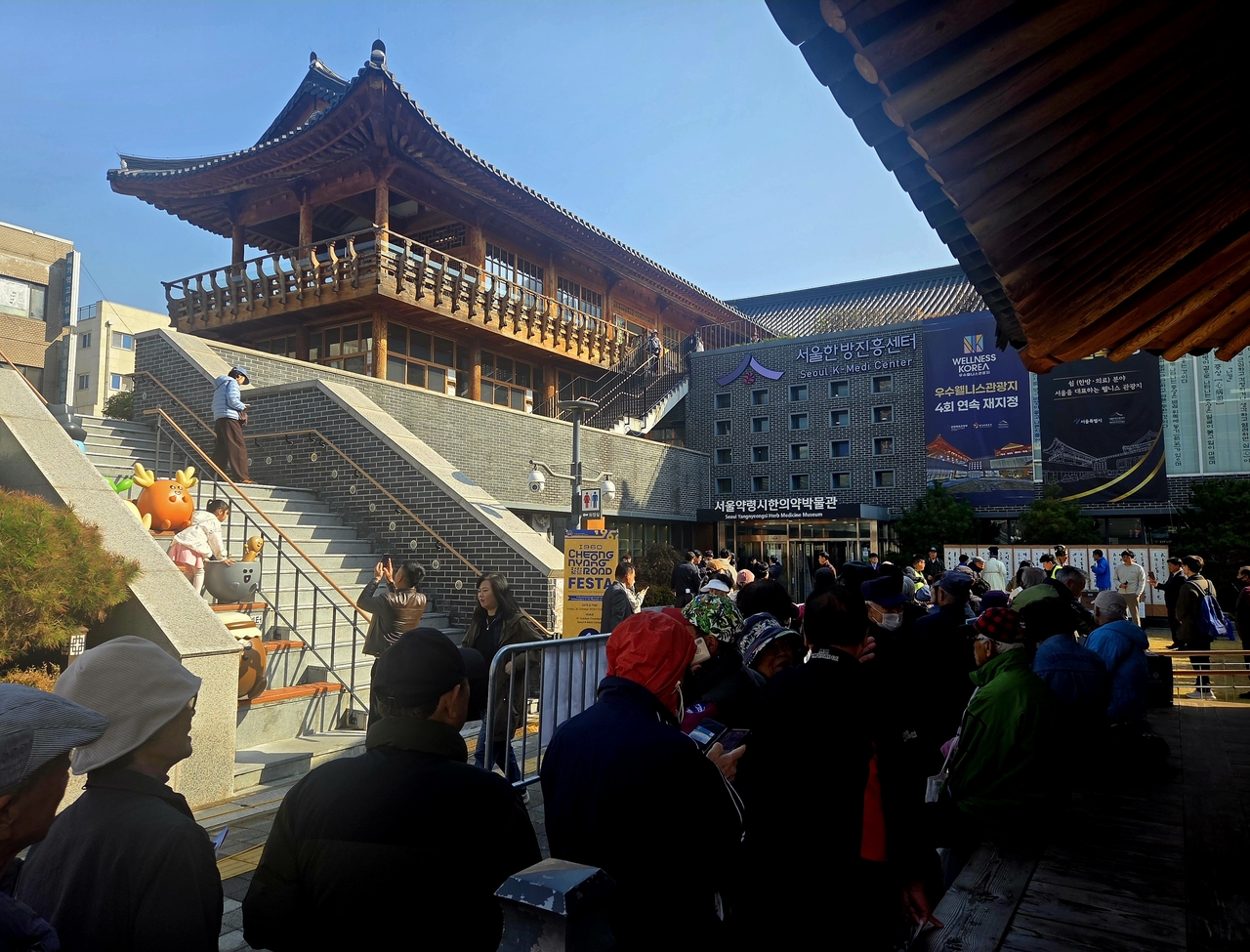
The scent of medicinal herbs filled Yangnyeongjungang-ro on Friday, as vendors and booths offering traditional Korean medicine experiences welcomed visitors to the World K-Medicine Culture Festival 2026 in Dongdaemun-gu, northeastern Seoul.
“We wanted to experience the medicine market out of curiosity and get an idea of life in Korea,” said Angela, a Belgian visitor who declined to give her surname. She was visiting Seoul for the first time with her husband and three children.
“This is so amazing. We do use some herbs for health in Belgium, but it’s not very common. We don’t have herbal medicine markets like this,” she said.
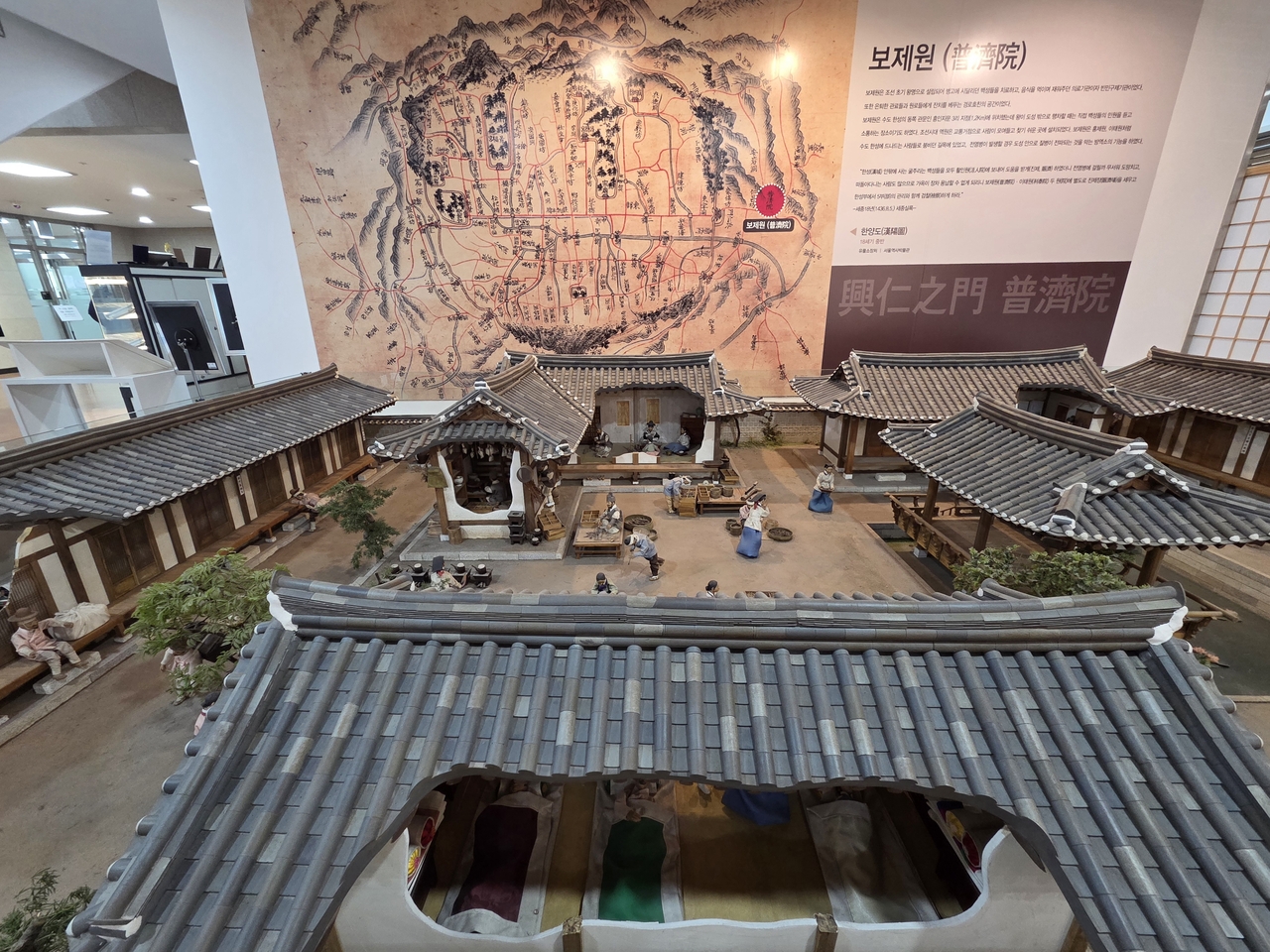
The festival centered on the Seoul K-Medi Center, which opened in 2017 near the former site of Bojewon, a Joseon-era institution that provided medical care and relief to people in need. The name Bojewon means “widely extending aid.”
Seoul Yangnyeongsi, in Jegi-dong, Dongdaemun-gu, is Korea’s largest herbal medicine market and a distribution hub for medicinal herbs sourced from across the country. The area is home to herbal medicine shops, traditional Korean medicine clinics, wholesalers and retailers.
The center’s hanok-style architecture has drawn comparisons to the "HAN Clinic" in “KPop Demon Hunters,” helping attract more foreign visitors, according to the Dongdaemun-gu office. It offers traditional Korean medicine experiences and cooking programs using medicinal herbs.
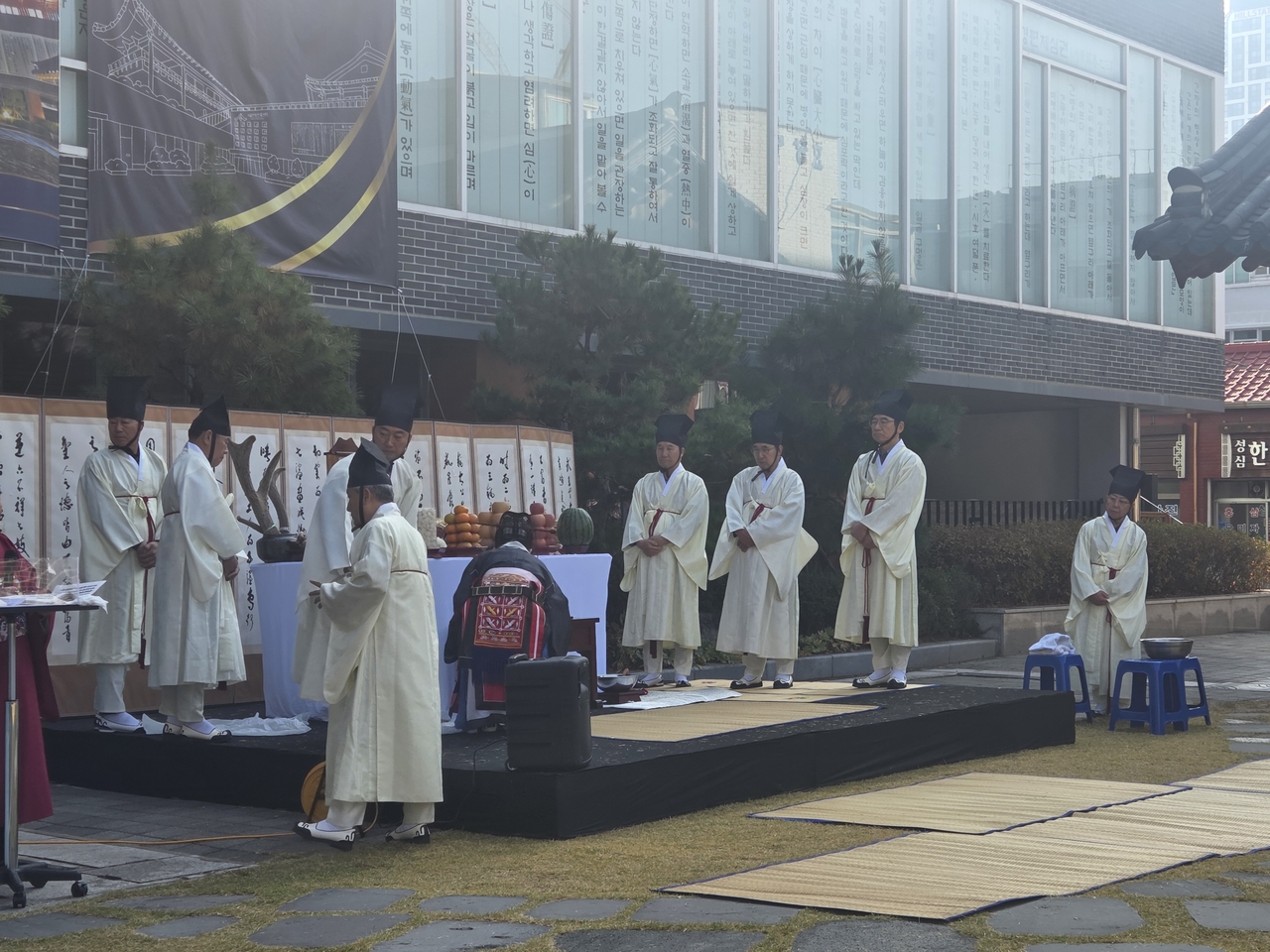
The festival opened with a ceremonial tribute to Shennong, a deity associated with herbal medicine.
“The ceremony is our interpretation of what such a ritual might have looked like at Bojewon,” said Dongdaemun-gu Mayor Choi Dong-min. “We created it when the festival began 32 years ago to honor Bojewon’s tradition of caring for people in need.”
Some 50 vendors offered medicinal herbs and other traditional Korean medicine products, while visitors could also receive free consultations and treatment from Korean medicine practitioners.
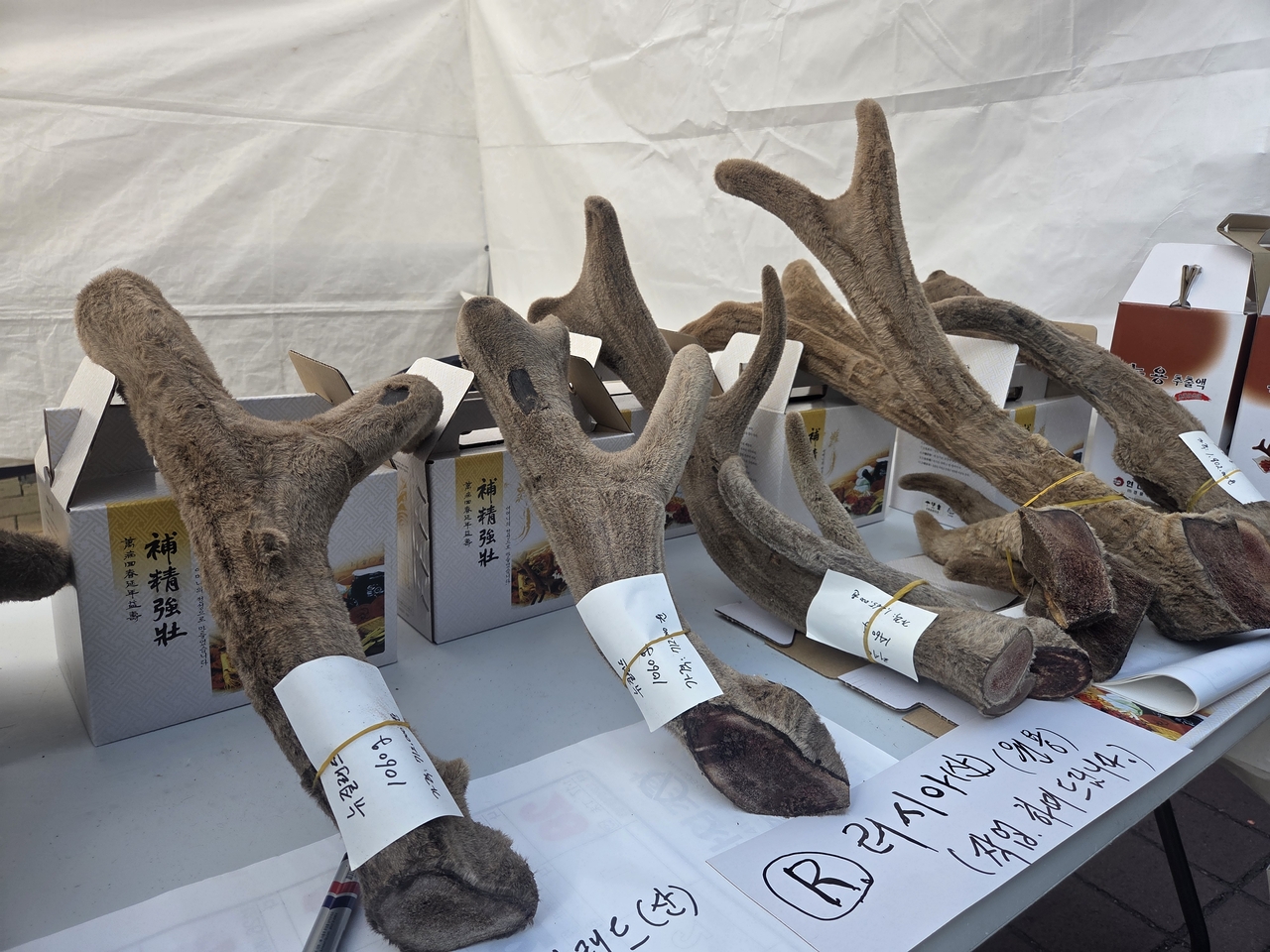
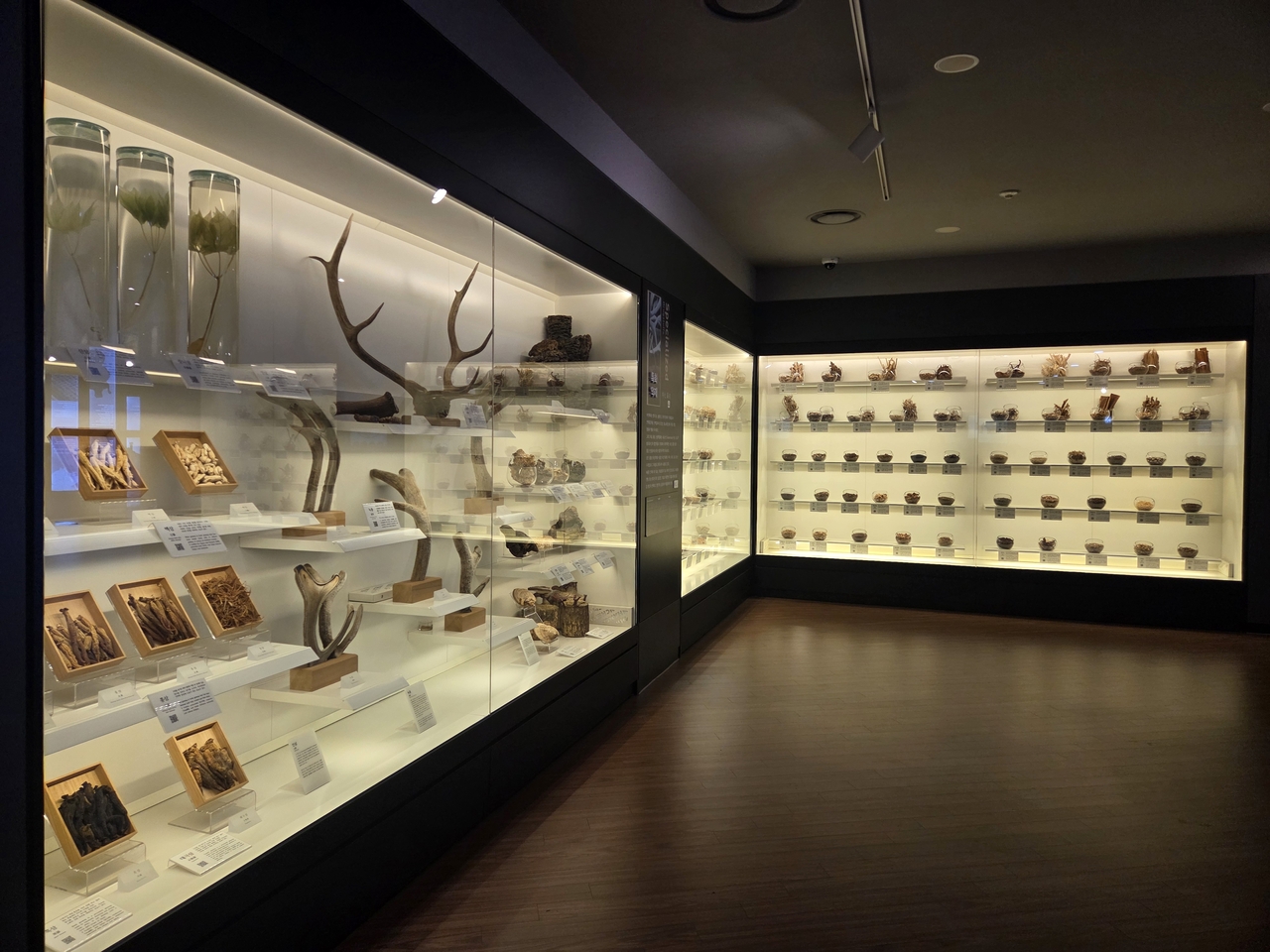
One booth sold deer antler velvet imported from Russia and the Netherlands. Known as nokyong in Korean. The soft, still-growing antler is harvested before it hardens and used in traditional Korean medicine.
“Deer antler velvet was among the medicinal ingredients presented as tribute to the royal court during the Joseon era. People take it because it is believed to help restore vitality,” the merchant said.
“With domestic supplies now limited, much of the deer antler velvet sold in Korea is imported from countries such as Russia and New Zealand.”
Another booth sold ingredients for ssanghwacha, a traditional herbal tea, including dried tangerine peel, astragalus root, peony root, angelica root and licorice.
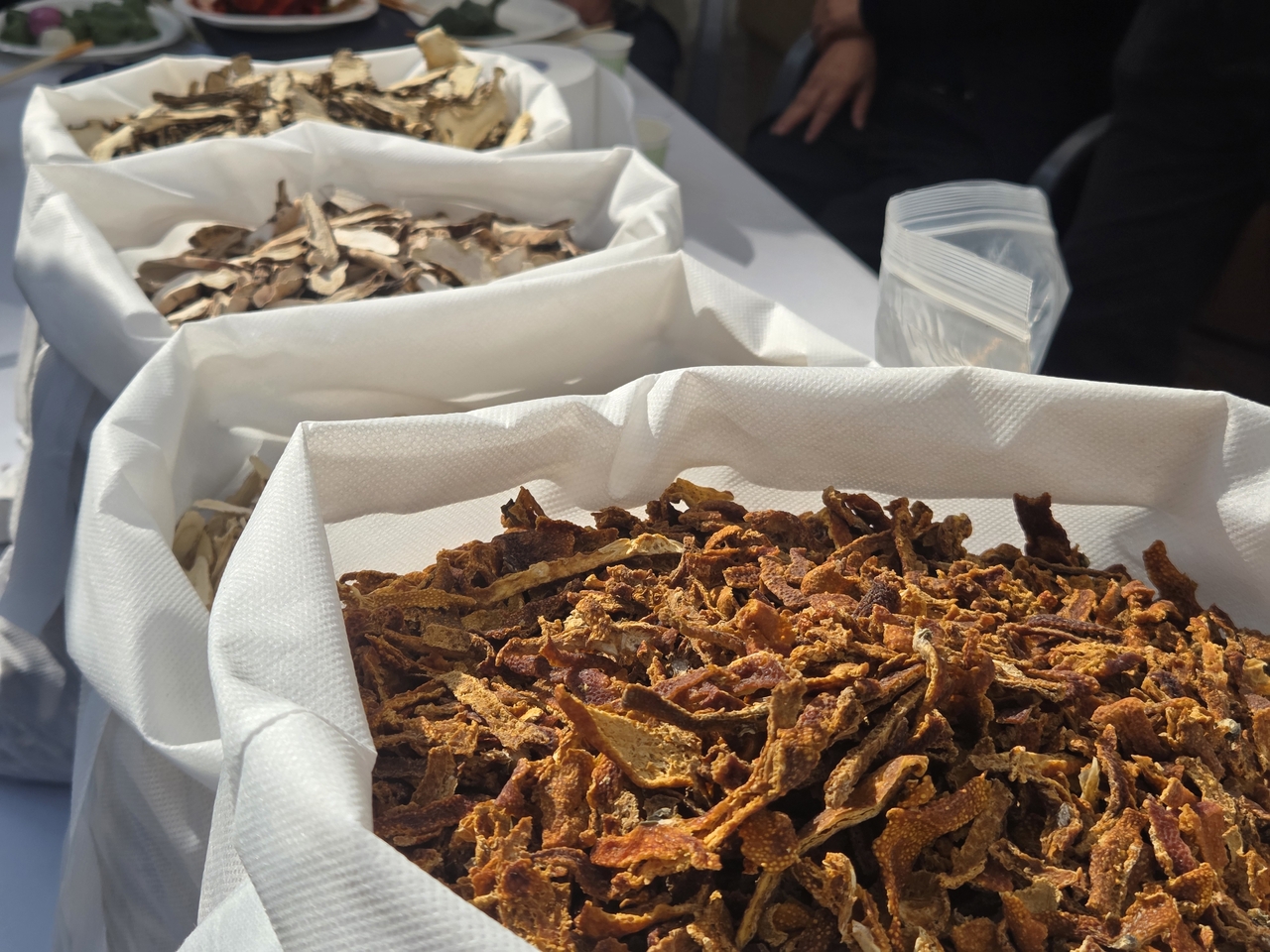
"All these ingredients are sourced from Korea. The herbal formula behind ssanghwacha is recorded in a Chinese medical text from the Song dynasty and in Heo Jun’s Donguibogam," Choi Young-sub, the vendor, said.
The festival continued with the preparation of a giant bowl of bibimbap for hundreds of people, reflecting Bojewon’s tradition of nourishing people with food as well as medicine.
Lined up for serving, You Kyung-soon, who has lived in the neighborhood for 45 years, said the herbal medicine market had struggled as shopping moved online and lifestyles changed, but was now drawing more tourists.
“It’s good to see renewed interest in traditional Korean medicine bringing more life to the neighborhood,” she said.
yunapark@heraldcorp.com